Get To Know The Pug Breed
Loyal Hearts. Wrinkled Faces. Endless Love.
Pugs are one of the oldest and most beloved toy breeds in the world. With their iconic wrinkled faces, curly tails, and big, expressive eyes, they’ve captured hearts for centuries—and for good reason. Whether you're new to the breed or already a pug enthusiast, this guide offers everything you need to know about life with a pug.
Pugs are one of the oldest and most beloved toy breeds in the world. With their iconic wrinkled faces, curly tails, and big expressive eyes, they’ve been charming people for centuries. Whether you’re new to the breed or already a pug lover, this guide will help you understand what life with a pug is truly like.
🐾 Breed History
The pug’s story begins over 2,000 years ago in ancient China, where they were bred as cherished companions for emperors and nobility. Their flat faces and compact size were highly valued, and they were considered symbols of good fortune.
In the 1500s, Dutch traders introduced pugs to Europe, where they quickly became favorites among royalty and noble families, including the House of Orange and Queen Victoria. Their popularity eventually spread worldwide, and the breed was officially recognized by the American Kennel Club in 1885.
Pug history highlights:
-
Originated in ancient China as royal companions
-
Introduced to Europe in the 16th century
-
Loved by European royalty and nobility
-
Officially recognized in the late 19th century
🧡 Companionship & Temperament
Pugs are known for their deeply loyal and people-oriented nature. They thrive on human companionship and are happiest when they’re close to their family—earning them the nickname “Velcro dogs.”
Temperament traits:
-
Exceptionally affectionate and loyal
-
Gentle and friendly with children, seniors, and other pets
-
Rarely aggressive
-
Emotionally intuitive and empathetic
Pugs love to be involved in daily life and often follow their people from room to room. Their playful antics and expressive faces make them natural entertainers who bring laughter and comfort to their homes.
🐶 Physical Traits & Appearance
Pugs may be small, but they are sturdy and muscular dogs with unmistakable features.
Breed characteristics:
-
Weight: 14–18 lbs
-
Height: 10–13 inches
-
Coat: Short, smooth, double-layered
-
Colors: Fawn (with black mask), black, apricot, or silver
-
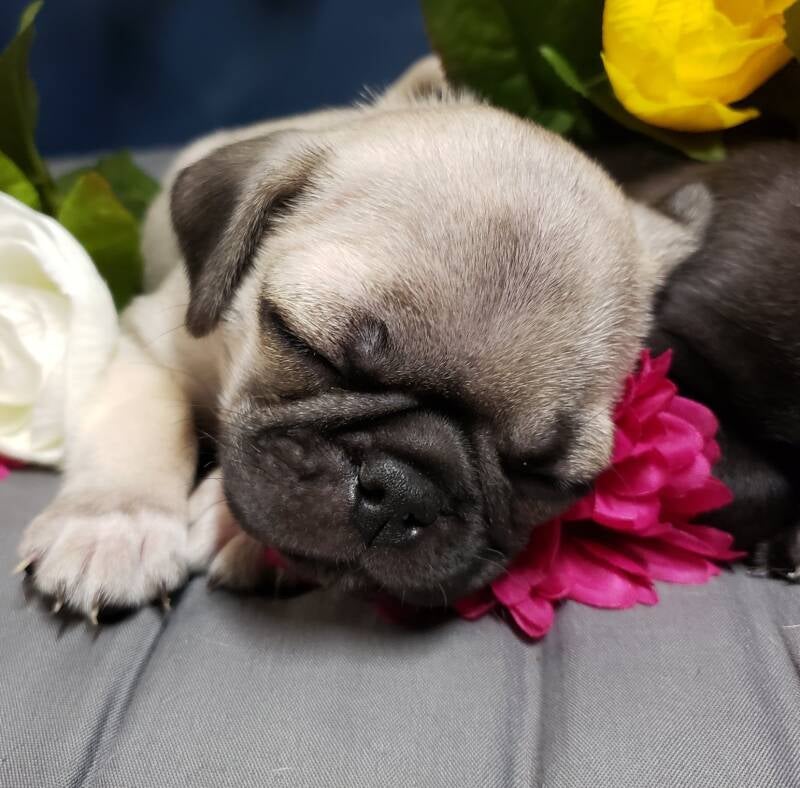
Distinct features: Round head, flat muzzle, deep wrinkles, tightly curled tail
Their expressive faces often reflect their moods, making them especially endearing and emotionally engaging companions.
🏃♂️ Exercise & Activity Needs
Pugs enjoy playtime but are not high-energy dogs. Short walks, indoor play, and interactive toys are usually enough to keep them happy.
Activity tips:
-
Best suited for short walks and light play
-
Sensitive to heat due to short noses
-
Mental stimulation is just as important as physical activity
-
Well-suited for apartment living or smaller homes
Because pugs are brachycephalic (short-nosed), care should always be taken to avoid overheating—especially in warm or humid conditions.
🩺 Health & Grooming
Pugs are generally healthy but require attentive care due to their unique structure.
Care essentials:
-
Regular wrinkle cleaning (2–3 times weekly or as needed)
-
Routine ear cleaning and nail trimming
-
Moderate to heavy shedding
-
Eye care is important due to prominence
-
Maintaining a healthy weight helps prevent joint and breathing issues
With proper care, regular vet visits, and a balanced diet, pugs can live happy, comfortable lives.
🏡 Living With a Pug
Pugs adapt well to many living environments as long as they are included in family life.
What pugs need at home:
-
Consistent routine and attention
-
Indoor living (sensitive to extreme temperatures)
-
Companionship—long periods alone aren’t ideal
-
Crate training can help with comfort and security
-
Plenty of cuddles, naps, and family time
❤️ Why Pugs Are So Special
Owning a pug means welcoming a devoted companion who loves unconditionally. Their loyalty, humor, and emotional depth create a bond that’s hard to match.
Pugs are more than pets—they are companions, comedians, and heartfelt friends wrapped into one adorable, wrinkly bundle of love.
🌟 Pug Personality: What to Expect
If you’re considering a pug puppy, here are some key traits to know:
-
Affectionate Companions – Pugs bond closely with their people and love being near them.
-
Playful but Calm – Enjoy bursts of play balanced with plenty of naps.
-
Silly & Entertaining – Known for goofy expressions and playful antics.
-
Intelligent but Stubborn – Respond best to positive, patient training.
-
Sensitive Souls – Gentle guidance works better than harsh discipline.
-
Great with Kids & Pets – Naturally tolerant and friendly.
-
Alert but Not Yappy – Will bark to alert, not excessively.
-
People-Focused – Don’t enjoy being alone for long periods.
-
Heat Sensitive – Always need cool environments and fresh water.
-
Uniquely Themselves – Every pug has its own personality and quirks.